 Breaking News

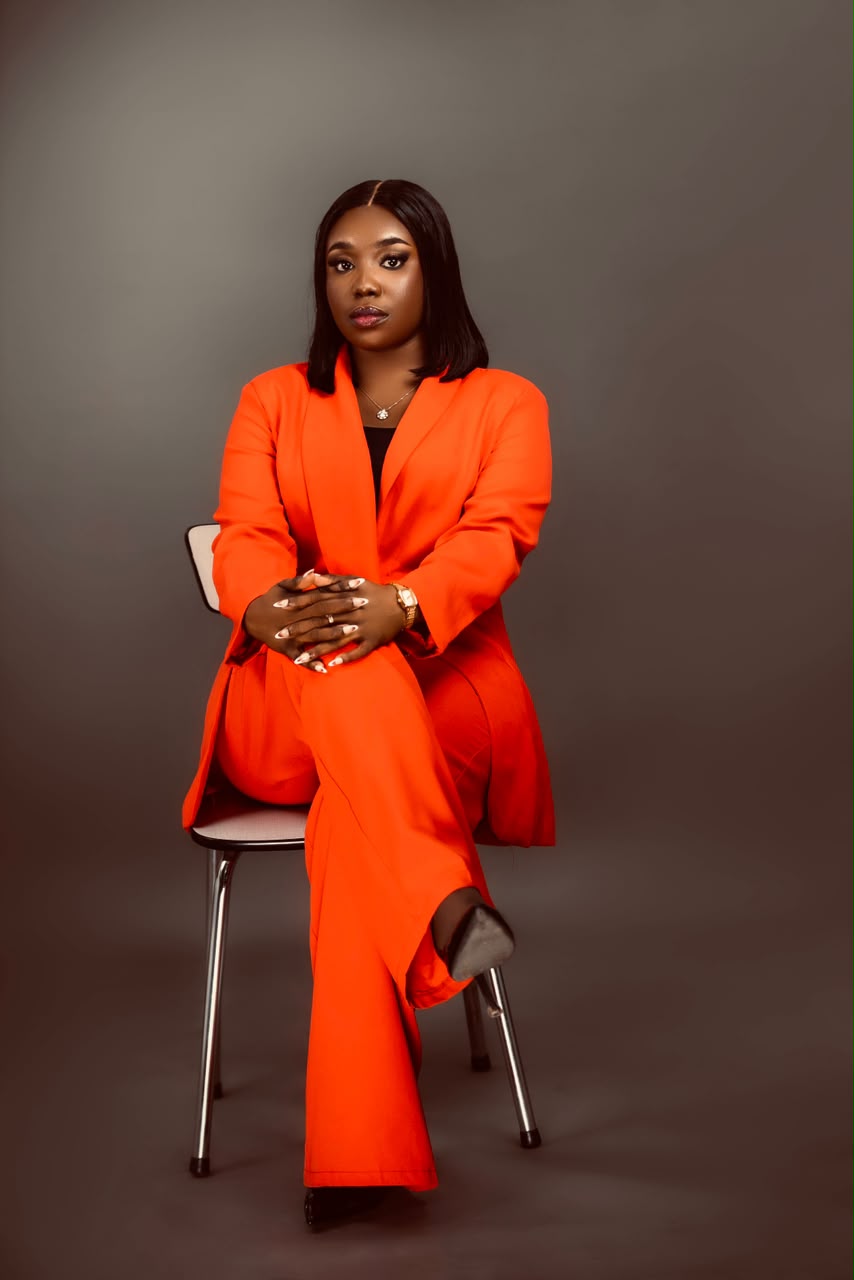
53,415.
And now she has become a statistic.
A number on a report. A figure on our television screens. A headline that will trend for a few days before another story takes its place.
But who is she?
What is her name?
What was she dreaming about before she became part of this number?
According to data from the Ghana Health Service, 53,415 adolescent pregnancies were recorded at health facilities across Ghana between January and July 2026. Of these, 1,501 involved girls between the ages of 10 and 14. The figures were disclosed at a National Multisectoral Dialogue on the Reduction of Teenage Pregnancy held in Accra.
I read the news and found myself asking questions.
Not because I do not know that teenage pregnancy is a serious issue in Ghana. We have spoken about it for years.
Education of the girl child. Protection of the girl child. Empowerment of the girl child. The rights of the girl child.
Sometimes, these words have become so familiar that they almost sound like a cliché.
And then we hear another question:
“But what about the boy child?”
Yes, the boy child matters too.
But today, I find myself asking another question:
Who are the boys and men behind these pregnancies?
What are the ages of the men and boys responsible?
Because these pregnancies did not happen by magic.
There are people behind these numbers.
There are relationships behind these numbers.
There are circumstances behind these numbers.
And there are, in some cases, adults who had access to children behind these numbers.
Yet when the statistics are released, it is often the girls whose ages and numbers we see.
So I keep wondering:
What are the ages of the men and boys responsible?
Who are they?
Where are they?
What responsibility do they carry?
And what are we doing to ensure that girls are protected from exploitation, abuse and relationships that may place them at risk?
What happened to these girls?
How did some of their families fail them?
What did we, as parents, not do right?
Were there signs that we missed?
Was there something she was trying to tell someone that nobody noticed?
Who was supposed to be her safe space?
Who was supposed to be the person she could call when she was afraid?
Who was supposed to listen without judging her?
Who was supposed to protect her?
And what about the schools?
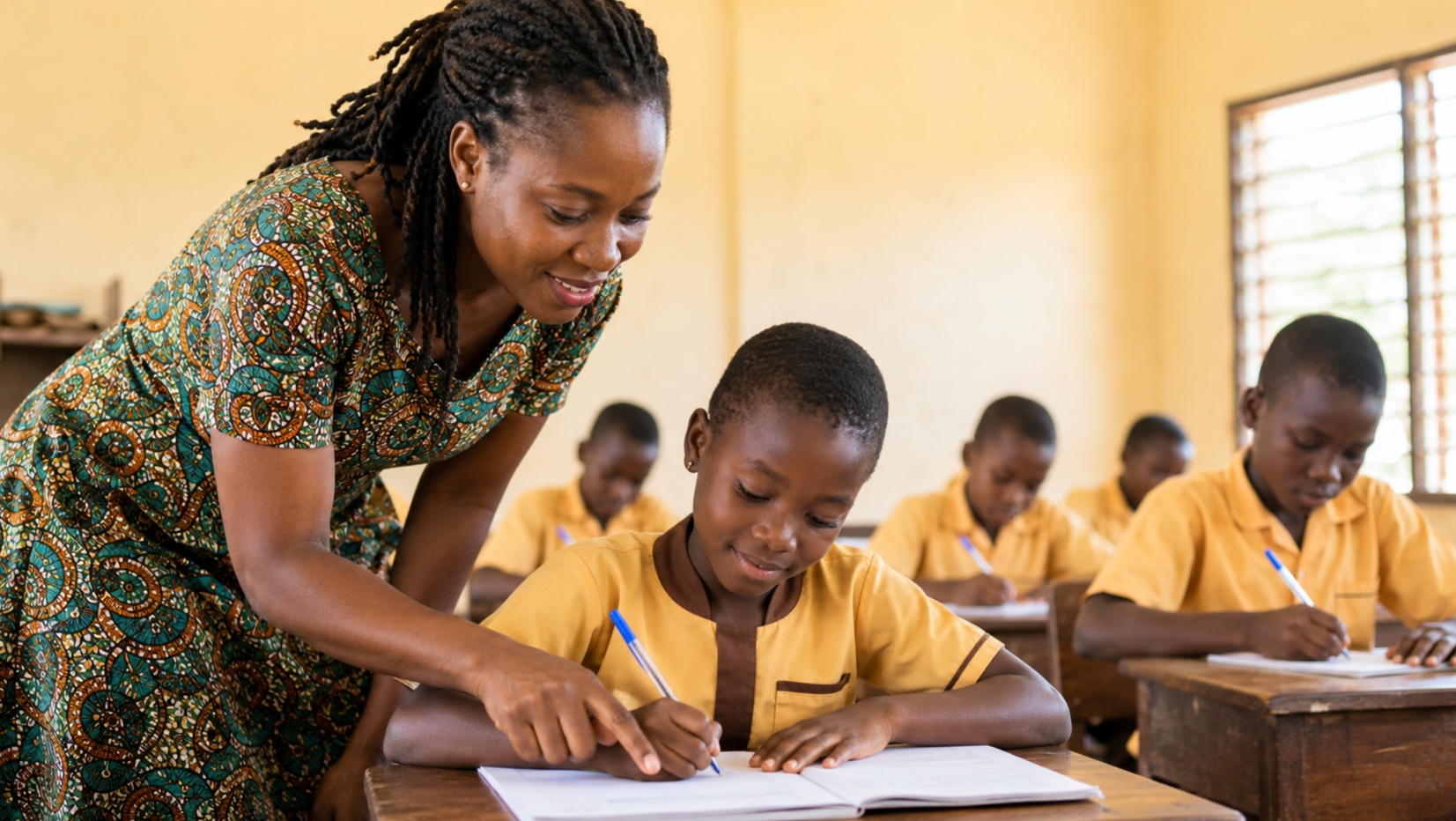
Some of these girls sat in classrooms with dreams.
They held pens and papers.
They wrote their names in exercise books.
They answered questions.
They imagined what they would become.
Perhaps one wanted to become a doctor.
Another wanted to become a teacher.
Another wanted to work in government.
Another wanted to start a business.
Another simply wanted to make her parents proud.
What happens to those dreams now?
Does pregnancy automatically mean the end of them?
It should not.
But we have to be honest enough to ask whether our systems are doing enough to ensure that it does not.
And what if she was raped?
This is another question we cannot be afraid to ask.
Were some of these pregnancies the result of rape or sexual abuse?
If so, who did those girls speak to?
Did they speak at all?
Did they know where to go?
Did someone believe them?
Did someone protect them?
Did someone report what happened?
And if the perpetrator was someone they knew, trusted or depended on, did they have the courage and support to speak?
For a child between the ages of 10 and 14, these questions become even more painful.
The Ghana Health Service recorded 1,501 pregnancies among girls aged 10–14 during the first seven months of 2026.
That figure deserves our deepest attention.
These are children.
And when a child becomes pregnant, we cannot simply ask, “What did she do?”
We must also ask:
Who was around her?
Who had access to her?
Who was responsible for protecting her?
Who failed to notice her vulnerability?
These questions are not about assigning blame to an individual case without evidence. They are about confronting the responsibilities that surround the protection of children.
What happens after she gives birth?
This is perhaps the question that troubles me most.
We announce the statistics.
We discuss teenage pregnancy.
We hold meetings.
We make statements.
But what happens to the girl afterwards?
Does she return to school?
Does she receive counselling?
Does she have support at home?
Will she be accepted by her classmates?
Will she be judged by her teachers?
Will she be pushed into poverty?
Will she be forced into an early marriage?
Will she be able to pursue the dream she once had?
And what happens to the child she gives birth to?
Will that child grow up in the same circumstances?
Will we see another generation facing the same vulnerabilities?
Or will we intervene differently this time?
There are already programmes designed to support adolescent girls. The Ghana Health Service says its Safety Net intervention provides adolescent-friendly health services, sexual and reproductive health education, psychosocial support, referrals and links to social protection, while pregnant adolescents may receive support to return to school where their circumstances permit.
These interventions matter.
But the question is whether every girl who needs support can actually reach it.
Have we failed the girl child?
Perhaps this is the uncomfortable question we should all be asking.
Have families failed some of these girls?
Have schools failed some of them?
Have communities failed some of them?
Have institutions failed some of them?
Have we, as a society, failed to create enough safe spaces for them?
And perhaps government and civil society organisations must continually examine whether existing policies and programmes are reaching the girls who are most vulnerable—especially those in rural and underserved communities.
The Ghana Health Service has itself identified education, access to information and services, gender and social norms, and poverty as interconnected factors in adolescent pregnancy. Stakeholders have also pointed to the need for stronger implementation, coordination, resources and accountability.
This means our response cannot be one-dimensional.
We cannot only tell girls to “be careful.”
We must also build environments where girls are informed, protected, heard and supported.
We can do better.
I believe we can.
But doing better requires all of us.
Parents, rise and protect your girl child.
Create a home where she can speak without fear.
Listen to her.
Know her friends.
Pay attention to changes in her behaviour.
Teach her about boundaries, dignity, relationships and her rights.
Societies, rise and look out for the girl child.
Do not normalise relationships between adults and children.
Do not look away when something feels wrong.
Do not protect perpetrators because they are family members, friends, respected community members or people of influence.
Schools must be safe spaces for girls.
A school should not only be a place where a girl learns Mathematics, Science or English.
It must also be a place where she feels safe enough to speak when something is wrong.
And government institutions and NGOs working for the growth, protection and well-being of girls must continue to strengthen the policies, programmes and community-level interventions intended to protect them.
We must reach girls before they become statistics.
Because 53,415 is not just a number.
It is a reminder.
A reminder that somewhere in Ghana, thousands of girls are navigating circumstances that many of us may never fully see.
And among them are 1,501 girls aged 10 to 14.
We cannot read that number, shake our heads and close the page.
We must ask what happens next.
Because these girls are not merely statistics.
They are someone's daughters.
They are someone's sisters.
They are students.
They are dreamers.
They are the future of this country.
And if we truly believe that, then protecting them cannot remain a slogan.
Let us rise for the girl child.
Parents, rise and protect her.
Communities, rise and look out for her.
Schools, become safe spaces for her.
Institutions, strengthen the systems that protect her.
And all of us—let us listen when she speaks.
Because before she became 53,415, she was simply a girl with a future.
Ghana's girls deserve nothing less.
Source Note
Ghana Health Service data as reported by the Ghana News Agency in September 2026: 53,415 adolescent pregnancies recorded at health facilities between January and July 2026, including 1,501 among girls aged 10–14.
Author Bio
Philomena Ofori Larbi is a public sector professional and the Founder & President of Girls’ Global Initiative (GGI), a girl-focused organisation committed to the empowerment, protection and well-being of teenage girls in rural and underserved communities. She holds a BSc in Logistics Management and a Master’s degree in International Relations and Diplomacy. Her interests include public service, international relations, development, leadership and girls’ empowerment.







Comments (0)
No comments yet. Be the first to comment!