 Breaking News

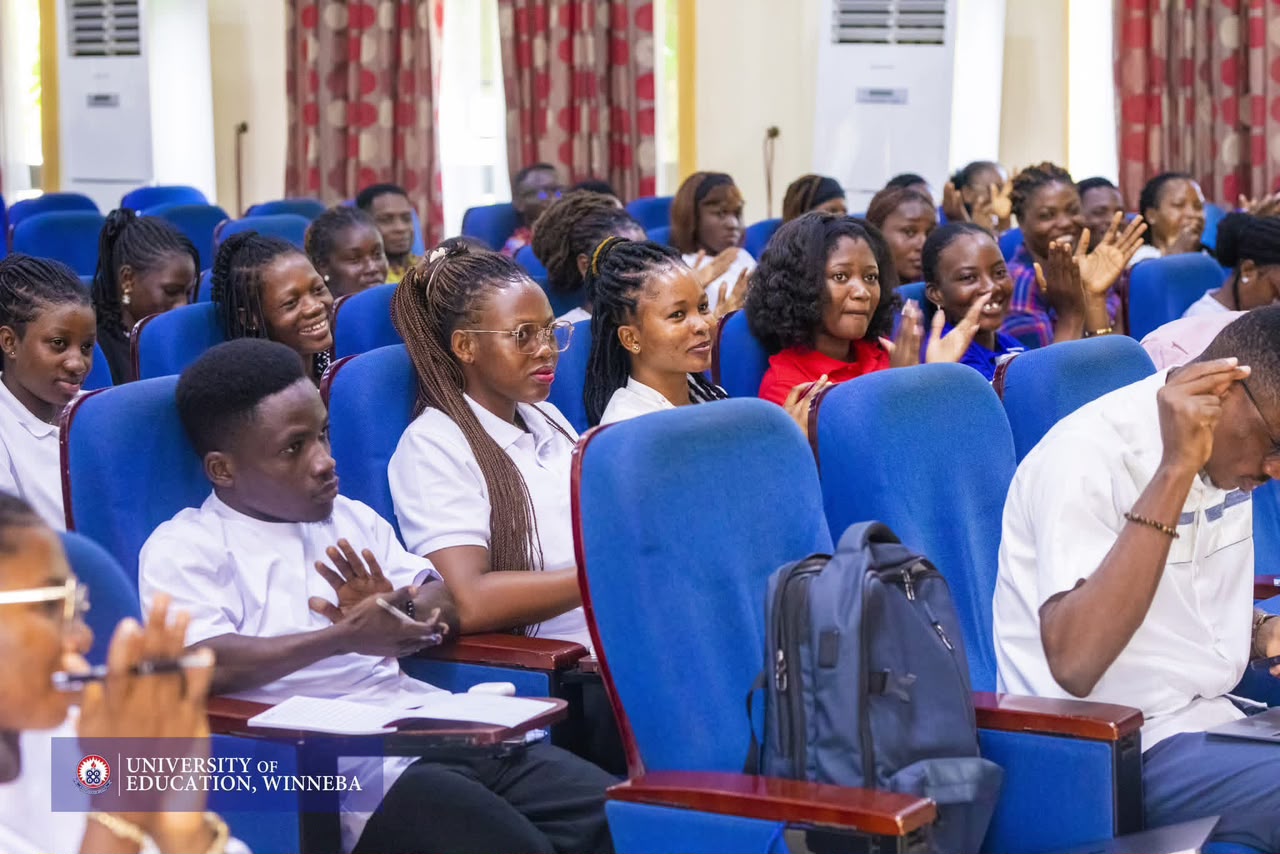
Students of the University of Education, Winneba (UEW) have been encouraged to use artificial intelligence (AI) to enhance their academic work without sacrificing critical thinking, creativity and independent learning.
The advice was given during Campus Summit 2026, organised by the Enlightening the Future Through Youth Mentorship Association (EFYMA) in collaboration with the Student Representative Council (SRC) at the University of Education, Winneba, on Saturday, August 1, 2026.
The programme was held under the theme “AI in Academia: Enhancing Research Excellence and Graduate Employability,” the summit brought together students, academics and professionals to examine the opportunities and challenges that artificial intelligence presents in higher education.

Delivering a presentation at the summit, Dr Abraham Gyamfi Ababio urged students to view education as a process of developing their ability to think, innovate and contribute meaningfully to society rather than merely acquiring academic certificates.
“Learning is not about certification but the existence of humanity,” he said.
Dr Ababio observed that while artificial intelligence has become an indispensable tool in education, students must exercise sound judgement in its use.
“AI is not a database but a thinking thing. Learning is not about certification but the existence of humanity,” he said, explaining that AI does more than retrieve stored information.
His analyses prompts, recognises patterns and generates responses based on available data, making it a powerful tool that should support, not replace, human reasoning.
Mr. Ababio added that the responsible use of the technology requires measured reliance, sustained effort and verification.
Contributing to the discussion, Mr Paa Kwesi Abban Jnr, Chief Executive Officer of Youths Pioneering a Future Africa (YPF) and a panellist, encouraged students to embrace technological innovation without allowing it to diminish their personal growth and originality.
“You are more innovative, you are more creative. Your personal growth is going to guide AI to make you better. Don’t stop using AI. Champion your usage of it, but don’t solely rely on it,” he advised.
Mr. Abban explained that AI should complement students’ knowledge and skills rather than replace their ability to analyse issues, solve problems and make informed decisions.
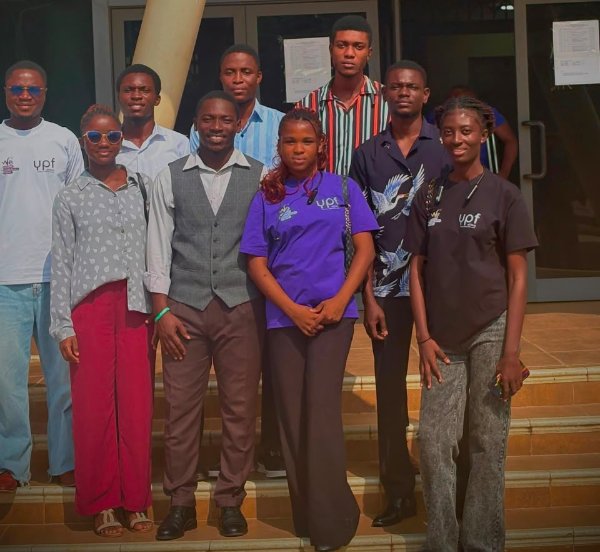
The discussions further highlighted the growing influence of artificial intelligence in education while reminding students that academic excellence depends on curiosity, discipline and independent thought.
Sharing his experience after the summit, Emmanuel Koram, a Level 400 Human Resource Management student at the University of Education, Winneba, said the programme had changed the way he viewed artificial intelligence.
“The discussions made me realize that AI should sharpen my thinking rather than think on my behalf. I now see AI as a tool to support my learning, not a substitute for my own reasoning,” he said.
By: Deborah Okyerewaa Asiedu, a student at the School of Communication and Media Studies, University of Education, Winneba (UEW)






Comments (0)
No comments yet. Be the first to comment!