 Breaking News

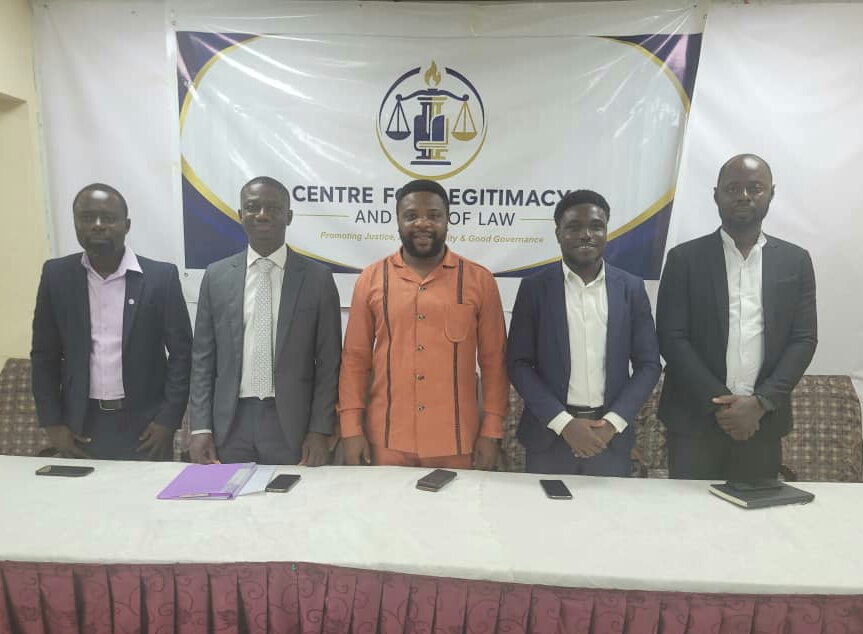
A newly formed civil society organisation, the Centre for Legitimacy and Rule of Law (CLRL), has officially launched in Accra with a bold advocacy agenda aimed at unlocking nearly GH¢400 million in dormant and unclaimed funds held within Ghana’s banking system.
At its maiden press conference on Wednesday, May 6, the group announced its formation and outlined a flagship 2026 campaign dubbed “Release the Unclaimed Funds,” targeting systemic reforms to improve access to idle financial assets belonging to deceased or unreachable account holders.
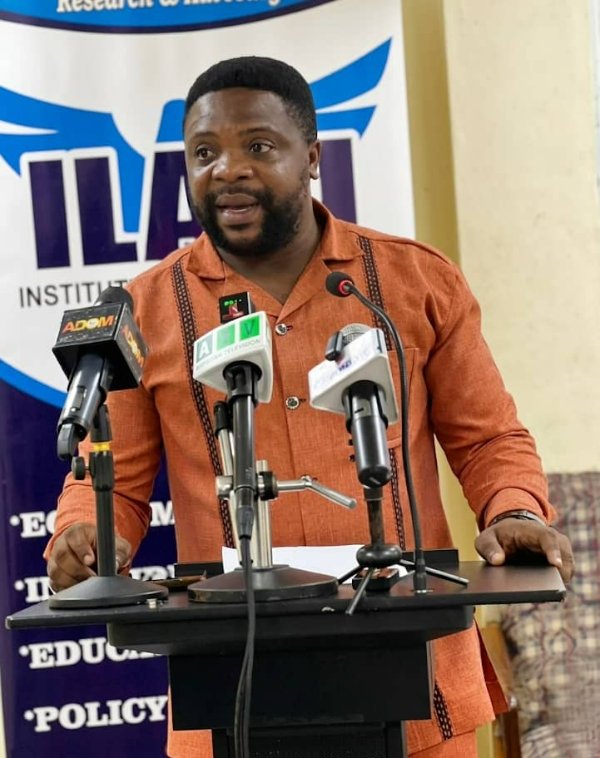
Delivering the keynote address, CLRL Executive Director Richard Nii Amarh described the organisation as a non-political, non-governmental body committed to promoting justice, accountability, and the rule of law.
He said the group’s mission is to partner with the media and the public to spotlight social anomalies and push for reforms that directly benefit ordinary Ghanaians.
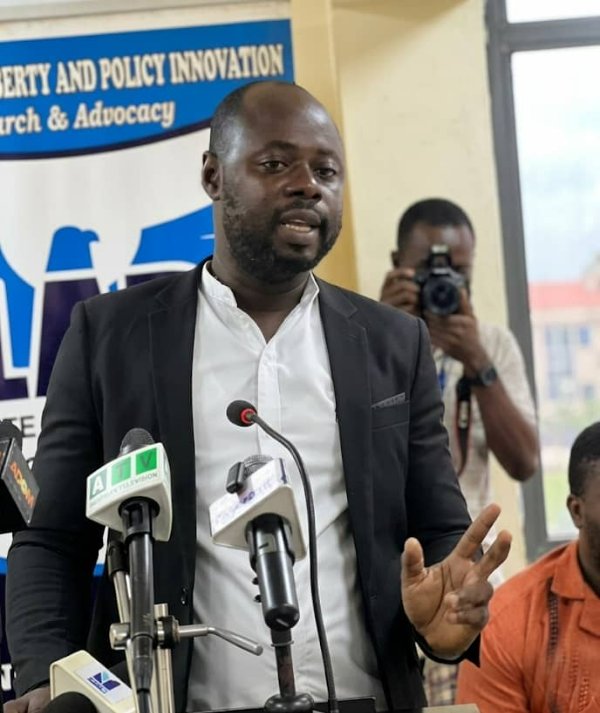
“We are commencing a spirited advocacy for causes that will inure to the benefit of the majority of Ghanaians,” Mr Amarh stated, adding that the organisation would critically analyse laws, policies, and justice systems without political bias.
Central to CLRL’s advocacy is the issue of dormant accounts. Citing data obtained through a Right to Information (RTI) request by the Institute for Liberty and Policy Innovation (ILAPI), the group revealed that as of October 2024, the Bank of Ghana held unclaimed funds totalling approximately GH¢397 million, including foreign currency components.
According to CLRL, these funds often arise when accounts remain inactive for over five years, after which they are transferred to the central bank for safekeeping under the Banks and Specialised Deposit-Taking Institutions Act, 2016 (Act 930).
The group identified key causes of dormant accounts, including the death of account holders, prolonged illness, relocation, and unresolved legal disputes. It argued that many of the funds likely belong to deceased individuals whose families are unaware of their existence.
Mr Amarh stressed that the current system creates significant hardship for families, particularly where breadwinners die, leaving dependents in poverty while their funds remain inaccessible.
“Families are suffering while monies that could support them are locked up and earning no interest,” he noted.
The CLRL also highlighted structural bottlenecks, including strict banking confidentiality rules and gaps in estate administration under the Intestate Succession Law, which often prevent families from identifying and claiming such assets.
To address these challenges, the organisation proposed a series of reforms, including stricter enforcement by the Bank of Ghana to ensure financial institutions actively contact next of kin before declaring accounts dormant.
It also called for the disclosure of account information to verified next of kin upon proof of death, arguing that such measures would not violate confidentiality but rather facilitate lawful access to funds.
Additional proposals include requiring banks to collect details of multiple next of kin during account opening, and the creation of a centralised, publicly accessible digital platform for searching dormant accounts, similar to systems used in other jurisdictions.
The group announced plans to formally petition key institutions, including the Bank of Ghana, Parliament, the Attorney-General’s Department, as well as commercial banks and mobile money operators, to push for the adoption of these reforms.
CLRL further indicated that its work would extend beyond financial advocacy to broader issues of justice and governance, building on the efforts of existing civil society organisations.
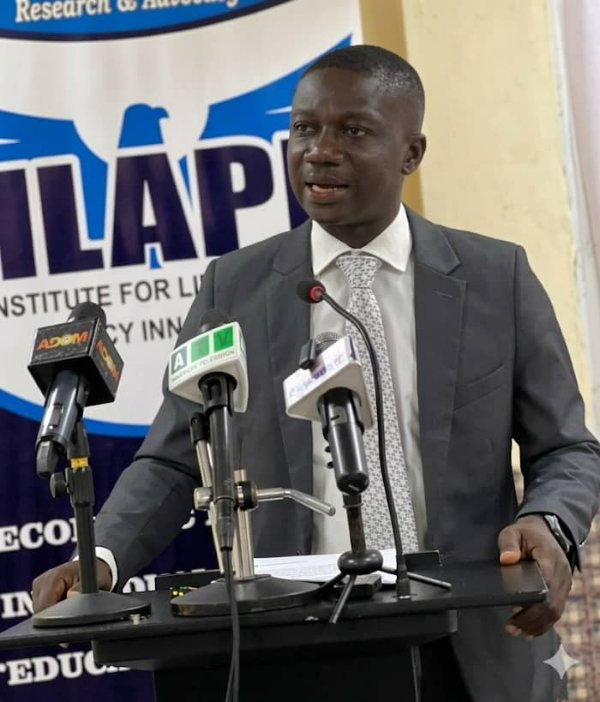
Among those acknowledged was the Institute for Liberty and Policy Innovation, whose Executive Director, Peter Bismark Kwofie, serves on CLRL’s board.
Other board members include media personality and entrepreneur Divine Nkrumah, lawyer and policy advocate Bernard Kofi Boateng, and legal practitioner and lecturer Nana Yaw Gyamfi.
The organisation says it is optimistic that with sustained public engagement and institutional cooperation, its campaign will not only unlock idle funds but also reduce poverty, boost small business investment, and strengthen confidence in Ghana’s legal and financial systems.








Comments (0)
No comments yet. Be the first to comment!