 Breaking News

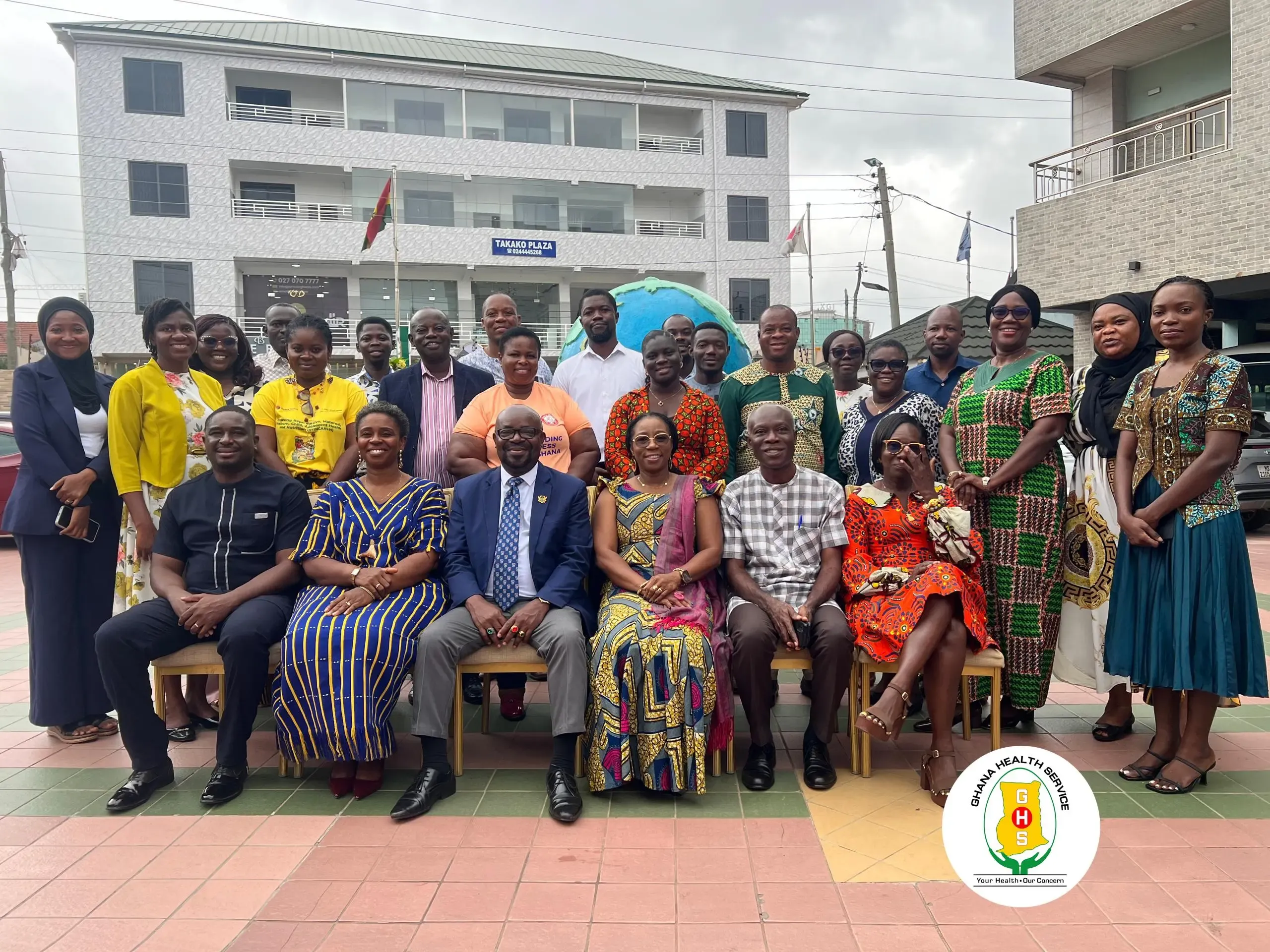
The Ghana Health Service (GHS) has inaugurated the National Infant and Young Child Nutrition Committee (NIYCNC), a new multisectoral body established to provide strategic leadership, policy guidance and coordination to improve infant and young child nutrition across the country.
The committee replaces the defunct Baby Friendly Hospital Initiative (BFHI) Authority, which was established in 1995 to oversee the implementation of the BFHI following Ghana’s adoption of the initiative in 1993.
While the BFHI significantly improved breastfeeding practices over the years, the new committee has an expanded mandate that extends beyond exclusive breastfeeding to include complementary feeding and child nutrition during the first two years of life.
Speaking at the inauguration ceremony, the Deputy Director General of the Ghana Health Service, Dr Caroline Reindorf Amissah, described the event as a major milestone in Ghana’s efforts to strengthen maternal, infant and young child nutrition.
She stressed that investing in the health and nutrition of mothers and children is essential to building a healthier nation.
"A healthy nation begins with healthy mothers and healthy children. The care and nutrition provided during pregnancy and within the first two years of a child's life lay the foundation for healthy growth, cognitive development and lifelong productivity," she said.
Dr Reindorf Amissah acknowledged the progress Ghana has made through evidence-based interventions such as the Baby Friendly Hospital Initiative, which has increased awareness of breastfeeding and contributed to improved child survival.
However, she noted that significant challenges remain, particularly in complementary feeding, changing dietary patterns and the increasing consumption of unhealthy processed foods.
She urged stakeholders to intensify nutrition education and to encourage families to embrace Ghana’s nutritious local foods while adapting them to contemporary lifestyles.
"Our development should not make us abandon the nutritious local foods that sustained generations before us. We can innovate with our local foods while preserving their nutritional value," she stated.
The Deputy Director General also called for stronger collaboration among stakeholders to improve infant feeding practices and advocated policies that better support exclusive breastfeeding, including enhanced workplace support for nursing mothers.
Dr Reindorf Amissah officially inaugurated the National Infant and Young Child Nutrition Committee, formally ushering members into office.
She subsequently charged them to discharge their responsibilities with dedication, professionalism and integrity, stressing that their collective expertise would be critical to improving nutrition outcomes and ensuring every Ghanaian child attains optimal growth and development.
In his address, the Director of the Family Health Division of the Service, Dr Kennedy Brightson, explained that the committee was established in response to the evolving infant and young child nutrition landscape.
He noted that while Ghana has made remarkable gains in breastfeeding over the past three decades, complementary feeding after the first six months remains a significant challenge.
"Growth faltering can occur immediately after a successful period of exclusive breastfeeding if complementary feeding is inadequate.
"From six months onwards, children require safe, nutritious and age-appropriate complementary foods alongside continued breastfeeding to support healthy growth and development," he stated.
According to Dr Brightson, the committee brings together representatives from government institutions, academia, development partners, professional bodies and civil society organisations to provide strategic oversight, strengthen advocacy, generate evidence and coordinate national efforts to improve infant and young child nutrition.
Presenting an overview of Ghana’s infant and young child nutrition landscape, the Deputy Director of Nutrition at the Ghana Health Service, Ms Olivia Timpo, pointed out that although Ghana has made progress on some nutrition indicators, improvements have been uneven across regions and several critical challenges continue to threaten child survival and development.
Ms Timpo noted that maternal nutrition remains a major concern, with only half of women of reproductive age consuming at least five out of the recommended ten food groups, while many continue to consume sugary drinks and unhealthy foods.
She noted that these dietary patterns contribute to persistent anaemia, particularly among pregnant women, with significant implications for child health and development.
She further revealed that although breastfeeding initiation has improved, exclusive breastfeeding has stagnated, while complementary feeding practices remain inadequate.
She cited that only 23 per cent of children aged six to 23 months receive the minimum acceptable diet, with many consuming unhealthy foods and sweetened beverages and one third receiving no fruits or vegetables.
Ms Timpo attributed these challenges to persistent inequities in service delivery, outdated nutrition policies, insufficient financing, inadequate utilisation of maternal and child health contact points, and the growing influence of unhealthy diets on young children.
She called for innovative, coordinated and multisectoral interventions to accelerate progress in reducing child malnutrition.
She explained that the National Infant and Young Child Nutrition Committee will provide strategic oversight, advocate for relevant policies, coordinate stakeholders and monitor progress on key nutrition indicators.
The committee will focus on strengthening breastfeeding support, improving complementary feeding practices, addressing equity gaps and ensuring consistent implementation of national nutrition interventions.
In a solidarity message on behalf of UNICEF Ghana, Mr Jevaise Aballo reaffirmed UNICEF’s commitment to supporting Ghana’s efforts to improve infant and young child nutrition.
He welcomed the establishment of the committee, noting that the country’s nutrition agenda must now go beyond breastfeeding to address complementary feeding and the broader nutritional needs of young children.
The National Infant and Young Child Nutrition Committee comprises representatives from the Ghana Health Service, the Ministry of Health, the National Development Planning Commission, UNICEF, the World Health Organization (WHO), the World Food Programme (WFP), the Ghana Registered Midwives Association, the Food and Drugs Authority (FDA), the Paediatric Society of Ghana, the Ghana Academy of Nutrition and Dietetics, Project HOPE, the Ministry of Food and Agriculture through the Women in Agricultural Development (WIAD) Directorate, the Ministry of Gender, Children and Social Protection, the University of Ghana School of Public Health and World Vision Ghana.
As part of the event, the Deputy Director General of the Ghana Health Service, Dr Caroline Reindorf Amissah, officially launched the 2026 World Breastfeeding Week and Ghana Breastfeeding Month, reaffirming the Service’s commitment to promoting, protecting and supporting optimal breastfeeding as a critical intervention for improving maternal, infant and young child nutrition.












Comments (0)
No comments yet. Be the first to comment!