 Breaking News


A disagreement has emerged over the strength of the newly passed Human Sexual Rights and Family Values Bill, 2025, with Communications Minister Samuel Nartey George insisting the legislation remains firm despite amendments, while Manhyia South MP Nana Agyei Baffour Awuah argues that the revised version is weaker and less comprehensive than the bill approved by the previous Parliament.
Parliament on Friday passed the Human Sexual Rights and Family Values Bill, 2025, commonly known as the anti-LGBTQ bill. The legislation seeks to criminalise LGBTQ-related activities in Ghana while introducing exemptions for certain professionals and institutions acting within the scope of their official duties.
Under the revised framework, journalists and media organisations reporting on LGBTQ-related issues as part of their professional responsibilities will not face sanctions. Medical professionals, including those providing surgical, psychological and counselling services to LGBTQ persons, are also exempt from penalties under the law.
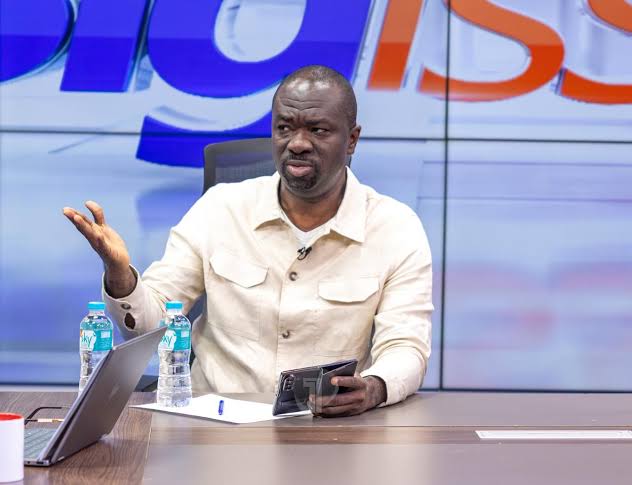
Communications Minister Samuel Nartey George rejected claims that the amendments had diluted the legislation's impact.
According to him, the bill retains its core objective of criminalising LGBTQ-related activities and reflects the government's commitment to protecting what it considers Ghanaian family and cultural values.
"We have shown that our commitment goes beyond politics and goes to the protection of our children, and we will not compromise on our stance," Mr George stated.
The Ningo-Prampram MP maintained that the amendments do not alter the substance of the legislation and insisted that its enforcement would remain consistent with Parliament's original intent.
He further dismissed criticisms from some members of the New Patriotic Party (NPP), including former Deputy Education Minister Rev. John Ntim Fordjour, describing such concerns as politically motivated and based on a misunderstanding of the government's position.
However, Manhyia South MP Nana Agyei Baffour Awuah has taken a contrary view, arguing that the revised legislation is significantly less robust than the version passed by the Eighth Parliament.
Baffour Awuah questioned why amendments previously proposed by the administration of former President Nana Addo Dankwa Akufo-Addo and rejected at the time had now been accepted and incorporated into the bill.
"This time, the bill came with lots of proposed amendments. The very things the previous government said were of concern, and so should be amended, they now consider it necessary to put forward the amendment. It's passed today in a much watered-down form," he said.
The lawmaker accused the Majority side of inconsistency, arguing that its position on the legislation had shifted.
"We are not fighting them. What was good yesterday is good today, and what was bad yesterday should be bad today. They lack principles. Their position has flipped," he stated.
Mr Baffour Awuah maintained that the bill approved by the Eighth Parliament was more comprehensive and airtight.
"In my humble view, what was passed in the Eighth Parliament was a more comprehensive one, which made sure that there was no hole for anybody to escape. It was water-tight," he argued.
He further expressed concern that the amendments could undermine the legislation's effectiveness and questioned whether the revised bill still contained all the provisions necessary to achieve its intended objectives.
The passage of the bill has once again reignited debate over one of Ghana's most controversial pieces of legislation. While supporters argue that the law is necessary to protect Ghanaian cultural, religious and family values, critics continue to raise concerns about its implications for human rights, constitutional freedoms and international relations.
Background
The Human Sexual Rights and Family Values Bill was first introduced in Parliament in 2021 as a private members' bill spearheaded by Samuel Nartey George and co-sponsored by lawmakers from both the Majority and Minority sides of the House.
Although Ghana's Criminal Offences Act already criminalises what the law describes as "unnatural carnal knowledge," supporters of the bill argued that additional legislation was needed to address LGBTQ advocacy, promotion, funding and public campaigns.
The latest version passed by Parliament introduces penalties for LGBTQ-related activities while providing specific exemptions for professionals such as journalists, lawyers and medical practitioners carrying out their official responsibilities.







Comments (0)
No comments yet. Be the first to comment!